
How to Choose a Healthier Diet for Your City Dog
Learn how to choose dog food based on your pet’s age, activity, allergies, digestion, and lifestyle—not marketing claims alone.
Start With Your Dog’s Individual Profile

Choosing a healthier diet starts with your dog, not the package label. Age, weight, breed size, activity level, and life stage all affect nutritional needs. A growing puppy, an athletic adult, and a senior dog may require different calorie densities, protein levels, or feeding schedules. Your dog’s current body condition matters, too: ribs should be easy to feel without being visibly prominent, and a veterinarian can help determine an appropriate target weight.
Also consider allergies, food sensitivities, stool quality, vomiting, gas, itching, and past digestive problems. Keep a simple record of ingredients, portion sizes, symptoms, and changes in energy or weight. This can reveal patterns that marketing language cannot. For dogs with chronic diarrhea, repeated ear infections, unexplained weight changes, or suspected allergies, seek veterinary guidance before changing food. Personalized dog nutrition is most useful when it reflects measurable needs and real-world routines, rather than assuming every pet benefits from the same trendy recipe.
Compare Kibble, Fresh, Homemade, and Mixed Feeding
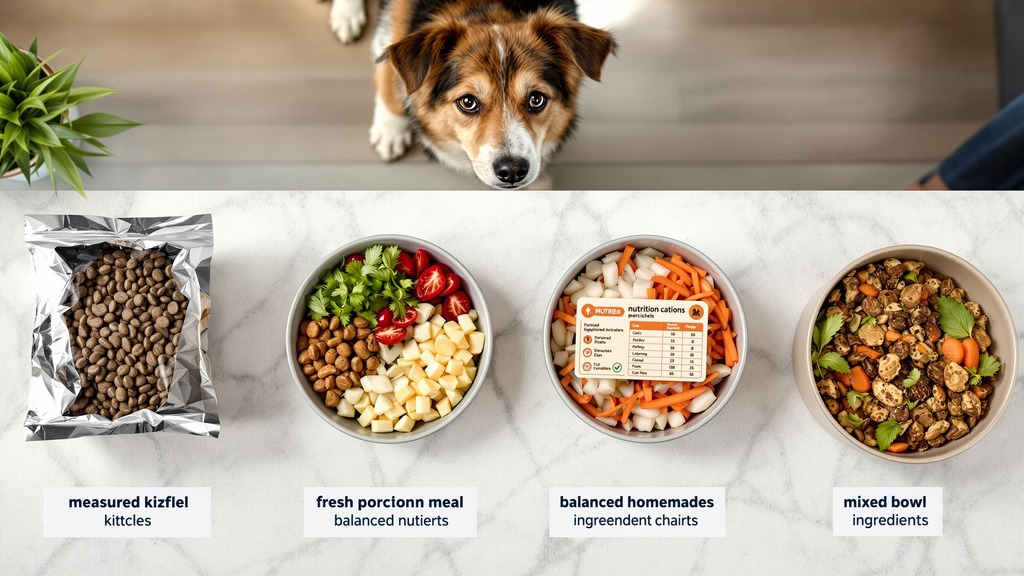
Kibble remains popular because it is convenient, shelf-stable, easy to portion, and often cost-effective. Look for a complete and balanced food appropriate for your dog’s life stage, and follow feeding guidance while adjusting for treats and activity. Fresh dog food can offer appealing ingredients, high moisture, and portioned delivery, which may suit owners seeking convenience and a different feeding experience. However, it can cost more, requires dependable refrigeration or freezer space, and still needs to meet established nutritional standards.
Homemade meals provide ingredient control but are difficult to balance consistently without a veterinary nutrition professional. Missing nutrients such as calcium, essential fatty acids, or specific vitamins can create problems over time. Mixed feeding—combining complete kibble with fresh food or carefully selected toppers—may offer flexibility, but additions should not quietly replace balanced nutrition or cause excess calories. Compare foods by nutritional adequacy, ingredient tolerance, portion clarity, storage requirements, total cost, and how reliably you can follow the plan. The healthiest option is one your dog tolerates and your household can maintain.
Build a Sustainable Routine and Know When to Ask for Help

A good diet must work on busy weekdays as well as quiet weekends. Measure meals instead of relying on a full bowl, count treats as part of daily calories, and introduce any new food gradually over several days. Watch appetite, stool consistency, body condition, coat, energy, and enjoyment. Reassess portions after changes in weight, exercise, season, or medication. For city owners, portioned fresh meals and flexible recurring deliveries can simplify feeding, while pause, skip, recipe-swap, and tracking tools help prevent waste when travel or schedules change.
Convenience should support—not replace—professional advice. Ask your veterinarian before changing food for a puppy, senior dog, pregnant dog, or pet with kidney, liver, pancreatic, urinary, or gastrointestinal disease. A vet can also help investigate suspected allergies and distinguish a true dietary issue from another health condition. Services such as PawPantry can make personalization easier by matching recipes and portions to a dog profile, but the best choice remains evidence-informed, nutritionally complete, tolerated by your dog, and realistic for your lifestyle. Healthy feeding is a routine you can sustain, not a marketing claim you have to chase.